




Why ICRI CSP Profile Selection Determines AQURON Colloidal Silica Penetration Success
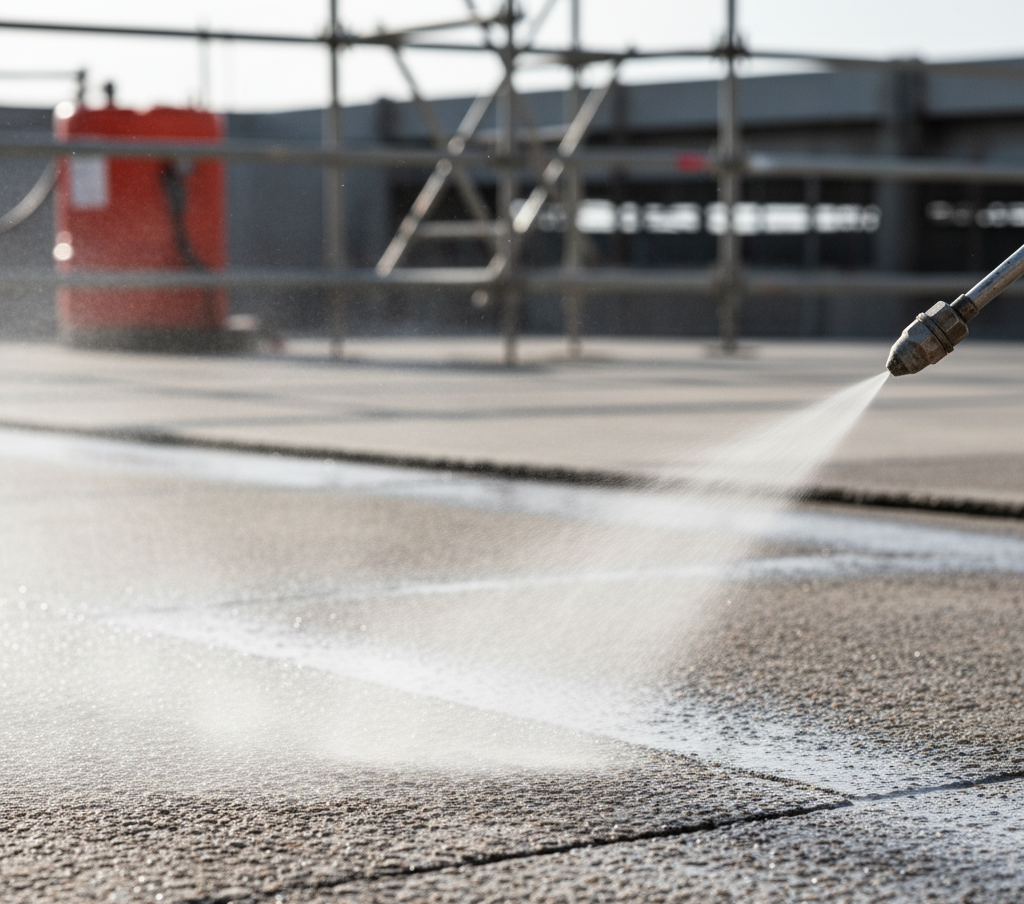
Surface preparation is the critical foundation for successful AQURON treatment. The ICRI Concrete Surface Profile (CSP) you select directly determines how deeply AQURON's colloidal silica hydrogel can penetrate your concrete matrix—and penetration depth is everything when it comes to long-term waterproofing and corrosion protection performance.
Understanding ICRI CSP Profiles for AQURON Application:
✅ CSP 1-3 are optimal - These profiles provide adequate surface porosity for colloidal silica hydrogel penetration without excessive roughness that increases material consumption
✅ CSP 1 (nearly smooth) - Ideal for polished concrete, food processing facilities, clean rooms where aesthetics matter
✅ CSP 2-3 (light to medium texture) - Best for industrial floors, parking structures, bridge decks requiring maximum penetration depth
✅ Avoid CSP 4+ profiles - Excessive roughness increases AQURON consumption without proportional performance gains
Critical Contaminants That Block AQURON Penetration:
Laitance, curing compounds, sealers, oils, and surface contaminants must be completely removed. These materials block the concrete pore structure and prevent AQURON's colloidal silica from accessing the capillary network where hydrogel formation occurs.
Moisture Content: The Hidden Variable:
Concrete moisture levels critically affect AQURON absorption. Moisture occupies pore space needed for colloidal silica penetration. Overly dry concrete may absorb AQURON too rapidly at the surface, limiting depth of penetration. AQURON has been tested to prove penetration depths of 150 mm + within 72 hours of application.
Don't compromise on surface preparation. The time and cost invested in proper concrete surface assessment and preparation pays dividends in AQURON treatment longevity and performance.
#ConcreteSurfacePreparation #ICRIStandards #CSPProfile #AQURONTreatment #ColloidalSilica #ConcreteWaterproofing #CorrosionProtection #InfrastructureProtection #ConcreteScience #MaterialTesting #CivilEngineering #ConcreteSpecification